
Anomabo is a small town in Ghana, located about 129 miles (208 km) west of Accra, the country’s capital. One of its most notable landmarks is Fort William, also known as Anomabo Castle, which was designed by the British engineer John Apperley and constructed between 1753 and 1760. The town is also situated approximately 16 kilometers (10 miles) from Cape Coast Castle, another historic fort along Ghana’s coastline.
Originally a small fishing village, Anomabo —historically known as Annamaboe—grew into one of the most important trading ports along the Gold Coast. By the 18th century, it had become one of the largest exporters of enslaved Africans on the West Coast of Africa.
Anomabo Castle served as the center of British slave trading along the Gold Coast until the transatlantic slave trade was outlawed in 1807. This history remains an essential part of Anomabo’s story and informs the resilience and strength of its people today.
Anomabo is located in the Mfantsiman District of Ghana’s Central Region. The community holds the status of a Traditional Area and is represented at the Central Regional House of Chiefs by Kantamanto Amoono VI, the Omanhene.
Despite its rich history and cultural significance, Anomabo continues to face challenges common to many developing coastal communities.
Approximately 64 communities fall within the Anomabo Traditional Area, all relying on shared social amenities such as schools, a health center, police post, and market facilities.
According to the Ghana Statistical Service 2010 Population Census, Anomabo Township has an estimated population of 14,389 residents.
For Anomabo to thrive, its challenges must first be identified and addressed. At the Jemimah Noonoo Foundation, we believe in developing systematic, sustainable solutions by working closely with the community, understanding its history, and addressing the specific needs of families.
Basic education infrastructure in Anomabo is inadequate, and many school buildings are in a dilapidated state. Due to overcrowding, schools are often forced to operate on a shift system—morning and afternoon sessions—to accommodate students.
Sanitation facilities are also insufficient. Existing washrooms are few, poorly maintained, and unhygienic for both students and teachers, creating additional barriers to effective learning.
With a population of over 14,000 residents, Anomabo faces limited access to economic and educational opportunities. Our focus is to address specific challenges in a strategic and manageable way—ensuring that expectations are realistic and that each intervention delivers measurable value.
The Anomabo Health Center lacks an in-patient ward to manage emergency medical conditions. The nearest hospital is located in Saltpond, approximately 10 kilometers away.
Medical emergencies—including childbirth complications and road traffic accidents—often result in preventable fatalities due to delayed access to adequate care.
At the Jemimah Noonoo Foundation, we believe that infrastructure empowers lives and reduces dependency. Our vision is to make Anomabo a self-sustaining community with strong education and healthcare systems at its core.
To achieve this, we are building a community house in Anomabo that will serve as a hub for education, healthcare, and outreach initiatives. This is part of continuing Jemimah’s dream of empowerment — enabling every child and family in Anomabo to reach their fullest potential.
Together, we can turn challenges into opportunities. Join us in building a stronger Anomabo.
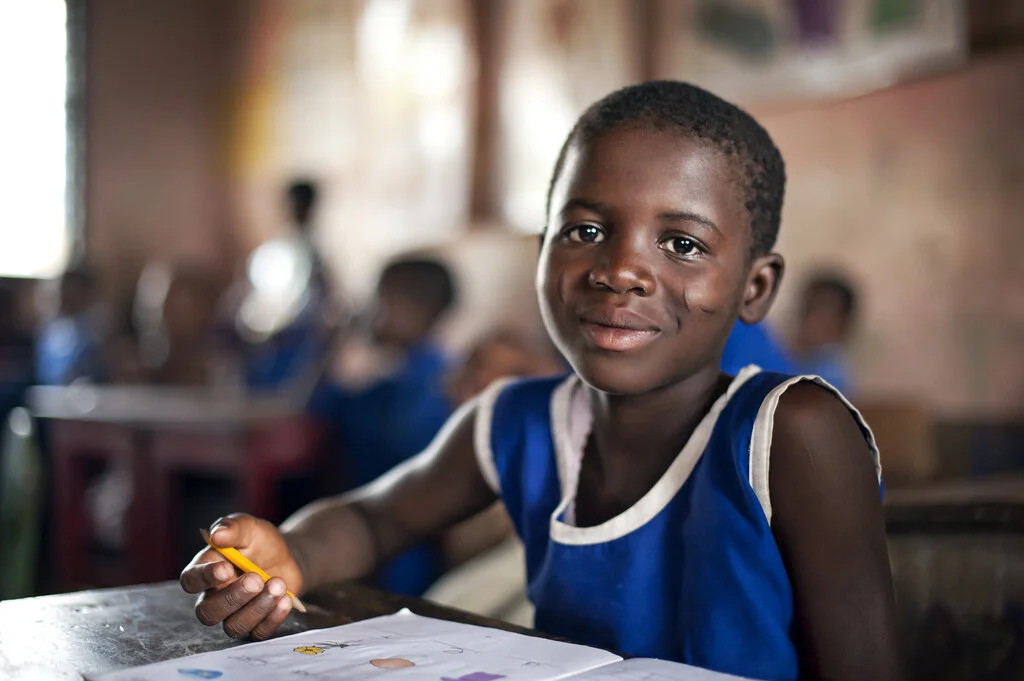
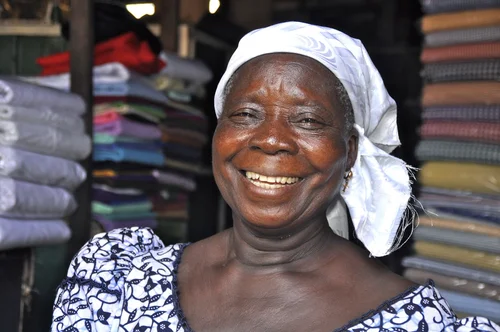
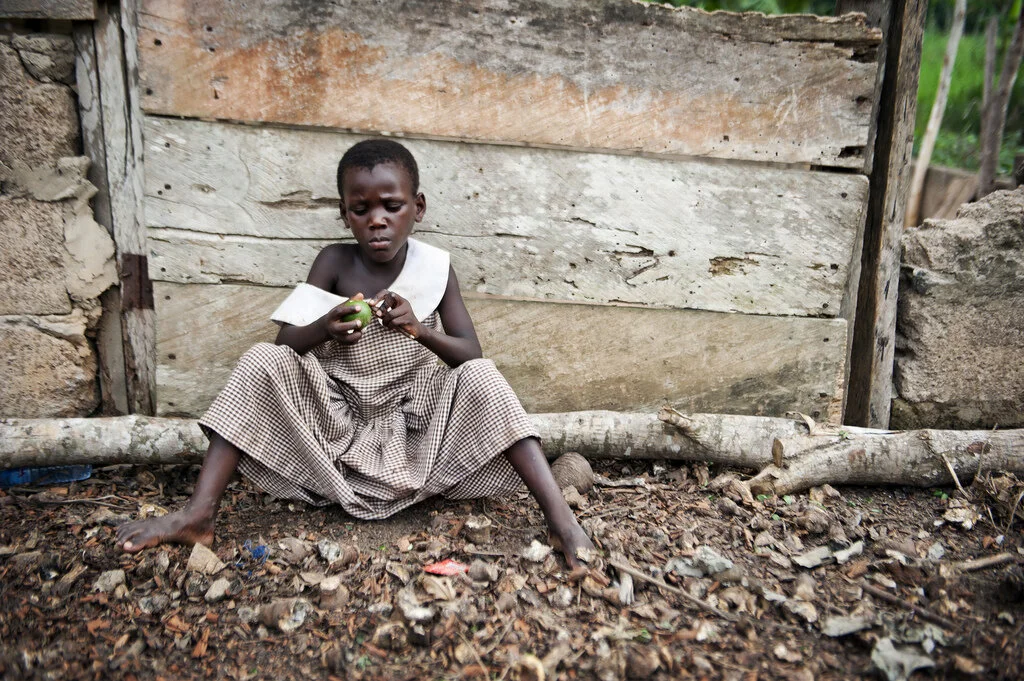
Our settlement home functions as a library and tutoring center, providing a safe and supportive learning environment. It also enables us to offer cost-effective tele-education programs through an on-site computer center.
Through the infrastructure provided by the settlement home, we can supply essential resources and equipment to improve sanitation, healthcare access, and community well-being.
Our giving strategy delivers resources directly to community members—reducing household maintenance costs and equipping families with essential necessities to improve daily living.
At the Jemimah Noonoo Foundation, every cause we take on reflects our deep commitment to uplifting communities and creating meaningful, lasting change. Our recent efforts include distributing school uniforms to young learners, organizing large-scale medical outreaches, and providing essential health education and screenings for families who need it most.
These causes are more than projects—they are personal missions to ensure that no child is left behind in education, no mother lacks access to healthcare, and no community is forgotten. With the support of our donors and volunteers, we continue to respond to real needs with compassion, urgency, and purpose.